
As part of National Small Business Week, Senate Majority Leader John Thune took to the Senate floor to highlight how provisions like permanent Section 199A, bonus depreciation, estate tax relief and other provisions from last year’s Working Families Tax Cuts are helping Main Street employers hire new workers and reinvest in their communities.
As Thune put it:
Nearly half of Americans in the private sector work for a small business. Small businesses are responsible for a majority of the new jobs in this country. And a lot of Americans’ first jobs were at a small business, mine included…There’s nothing small about the impact that small businesses have in our country.
That point often gets lost in Washington’s tax debates. Today’s tax conversations tend to focus on large publicly-traded corporations, while the pass-through businesses employing most Americans are treated as an afterthought. Thune’s remarks were a useful reminder that the Main Street economy remains the backbone of job creation and economic growth in the country.
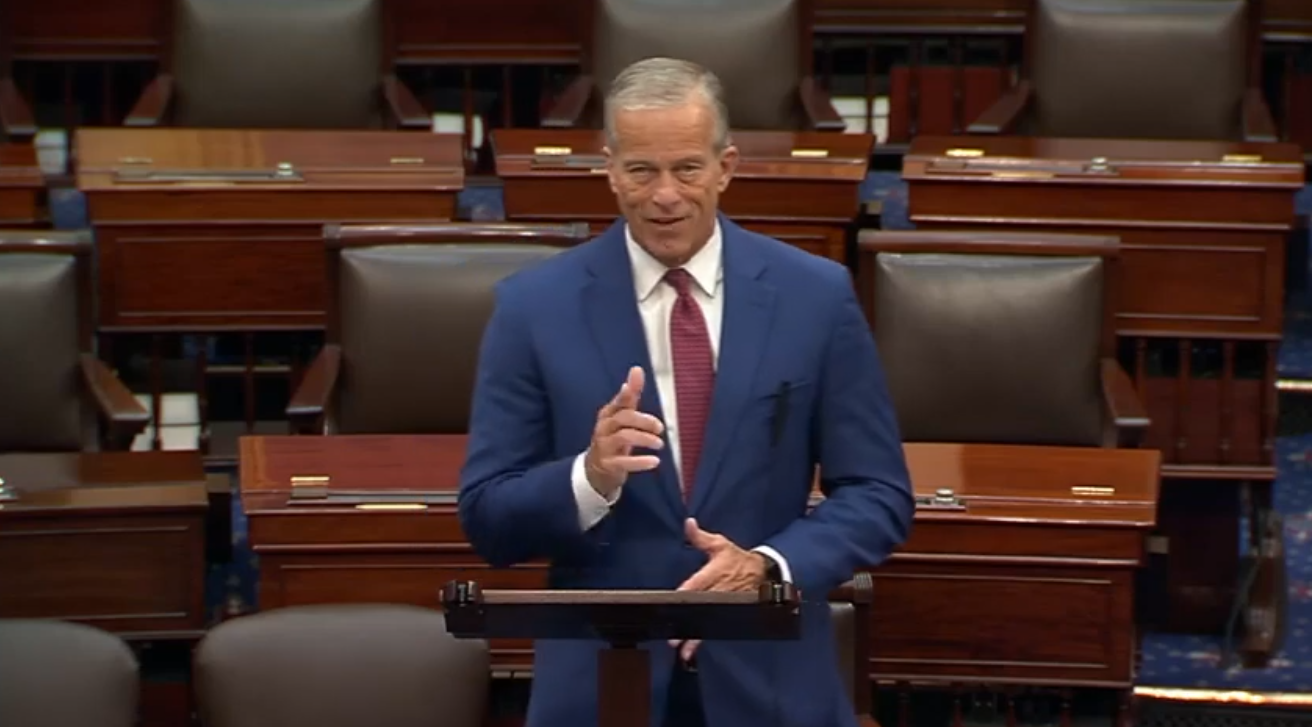
He also highlighted the importance of making 199A permanent:
I’ve heard positive feedback on 199A across industries in my state. In South Dakota, an agricultural cooperative estimates the impact of this one policy at over $100 million since 2017 – and that money has been able to be passed on to the farmers that are members of that co-op. And I’m sure that those farmers – like so many small businesses across the country – are relieved that 199A is here to stay.
Certainty matters. For years, Main Street employers operated under a cloud that key provisions of the 2017 tax law would expire, making long-term planning more difficult while setting the stage for steep tax hikes. Permanence gives family-owned businesses more confidence to invest for the long haul.
Thune also focused on bonus depreciation and the practical impact it can have for smaller operations:
Say you’re a farmer and you need to replace your combine, or a manufacturer who needs to upgrade your machinery, or a plumber who needs a new truck. Those are all big expenses, especially for a small, maybe even in some cases, one person operation. So bonus depreciation helps small businesses take on that big expense by allowing them to deduct the entire thing in that one year, and the impact can be significant.
Tax policy is too often described through abstract budget tables and revenue estimates, but for Main Street businesses these provisions frequently determine whether an expansion, equipment purchase, or hiring decision happens at all. The examples Thune cited are familiar to businesses in every state and district.
Thune closed by pushing back on claims that the tax package primarily benefited wealthy taxpayers, pointing out that workers, family businesses, and local employers are already seeing the impact. And as we’ve seen post-tax filing season, the refund and broader relief data backs that up. That’s the story we’re going to have to keep conveying.